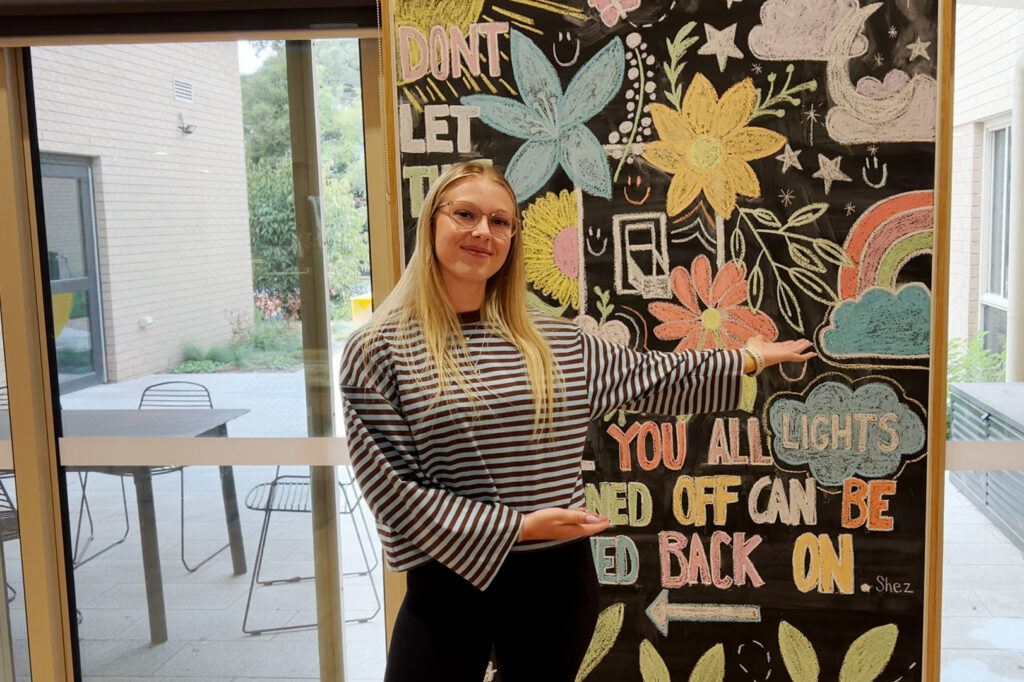
For many young people, mental health challenges emerge early and without the right support, they can escalate quickly. In Australia, mental health continues to rank among the top concerns for young people, alongside cost of living, safety and the future. Early intervention plays a critical role in preventing issues from becoming more acute and long-lasting.
Youth Prevention and Recovery Care (YPARC) services are designed to provide that intervention. YPARC Dandenong supports young people experiencing acute mental health challenges, offering short-term residential care focused on recovery, stability and building practical coping strategies.
The model combines clinical support with lived experience. Peer workers, people who have navigated their own mental health challenges, play a central role in how support is delivered.
For 23-year-old disability support worker Sheridan, that support has been life-changing.
“If YPARC didn’t exist, honestly, I would not be sitting here right now.”
Sheridan first accessed the service in Year 12, when depression and suicidal thoughts began to take hold.
“I was feeling pretty hopeless. The pressure of exams and everything else just became too much.”
After a hospital admission, she was referred to YPARC for a two-week stay.
“I was welcomed. I had the right support around me. It gave me space to stop and breathe.” – Sheridan, YPARC Participant
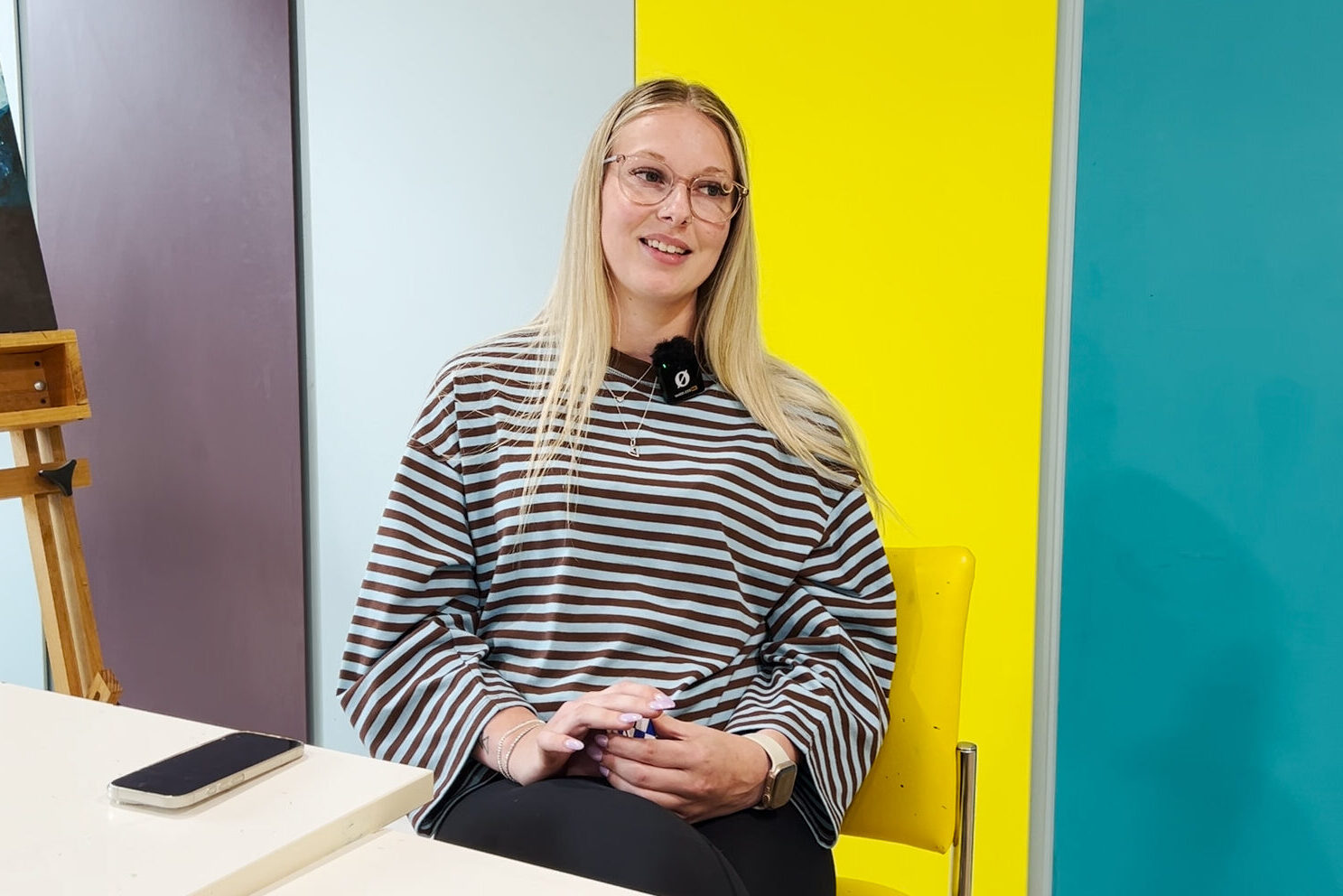
Since then, Sheridan has returned at different points when she’s recognised early signs that she needs support.
“I’ve learned to notice the signs, especially before big events when I need to check in.”
That ability to seek help early has been key to staying on track. Sheridan has since completed high school and further study, building skills she continues to draw on.
“Every time I come, I learn something new and get better at managing my concerns.”
While structured supports are important, much of the impact comes from connection – particularly with peer workers.
“The peer workers, they’ve been through their own stuff,” Sheridan says. “It’s just nice to see that they’ve been through it all and have come out ok, and we will too.”
Peer worker Sonja says those shared experiences help build trust in ways traditional models sometimes can’t.
“I’d spent years working in services,” she says. “But when I needed support myself, that’s when it really clicked.”
Now, her focus is on creating space for young people to feel safe, understood and supported.
“It’s not about fixing people. It’s giving someone space to just be. That’s where change starts.” – Sonja, YPARC Peer Worker
Support often happens in everyday moments – preparing meals, spending time together, or having informal conversations.
“It’s about community and creating a safe space to support each other, without the pressures of the outside world, so they can focus on themselves for a bit.”
YPARC provides a structured environment that includes daily routines, group activities and individual support, helping young people stabilise and build resilience. Many arrive managing multiple pressures at once — from school and work stress to family dynamics, identity exploration and early experiences of mental health concerns.
Each young person is supported by a multidisciplinary team, including clinicians, key workers and a dedicated peer worker who continues support beyond their stay. This continuity helps bridge the gap between crisis care and longer-term recovery.
Across Wellways, peer workers are an increasing part of how services are delivered — supporting people, families and carers through complex periods with empathy, understanding and hope.
“YPARC changes lives,” Sonja says. “I’ve lived it myself, and I see it every day.”
For Sheridan, the impact is ongoing.
“Coming here is completely different. You’re welcomed. Support is all around you.”
“Every time I’ve walked out, I’ve learned something and I’ve felt better than when I walked in.”
A safe space to be
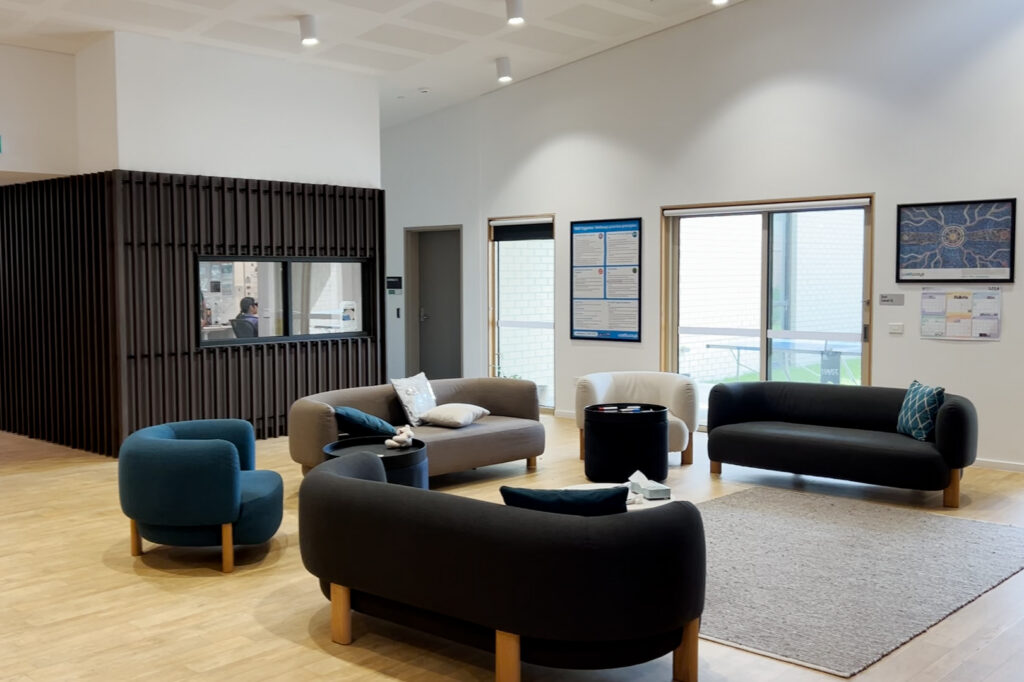
Prevention and Recovery Care (PARC)
Prevention and Recovery Care is a tailored and voluntary program that provides 24/7, short-term residential support for people experiencing mental health concerns. PARC sites can accommodate up to 10 people with an average stay of 14 days.