Mental distress impacts us all
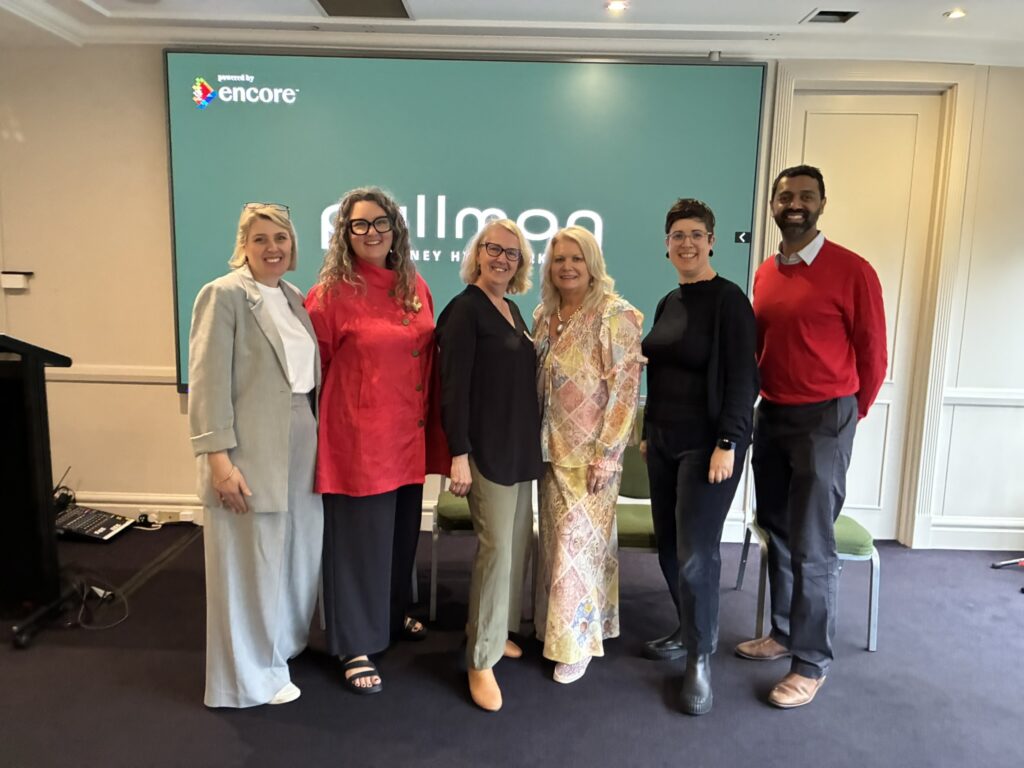
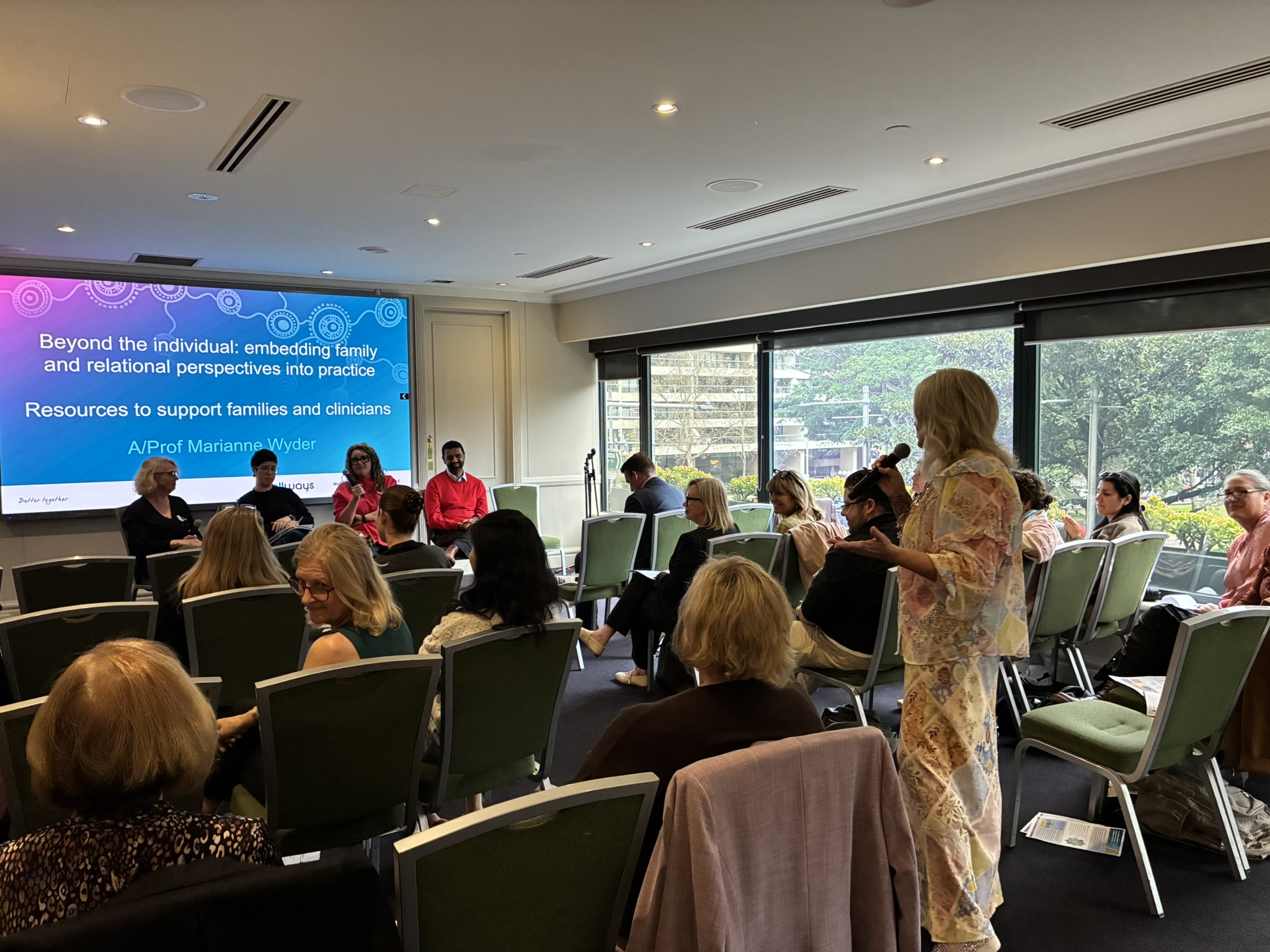
Associate Professor Marianne Wyder launched a new resource, informed by the research paper “Relational recovery journey: Understanding the evolving roles of families supporting those in mental health distress”, alongside sector professionals, partners and Wellways staff.
“Recovery from mental health distress is not something that happens within one person alone,” Prof. Wyder said.
“It happens between people. It happens in our relationships. When someone in the family experiences a mental health crisis or is in distress, this impacts everyone in the family.
“Relational recovery recognises that all people, including families, significant others and friends, can be affected by the distress and have needs. Everybody’s wellbeing matters.”
Relational recovery is the way forward
The resource comes from a research collaboration between Metro South Addiction & Mental Health Services Principal Research Fellow Marianne Wyder, Professor Robert Bland and Wellways’ Lived Experience Strategy and Organisational Design Advisor Rowena Jonas about relational recovery and will bring insights on how Wellways’ services can approach recovery from a family carer lens.
“This research and resource have deeply resonated with many people, especially with those who have experience as carers,” said Malitha Perera, Wellways’ National Manager Service Innovation.
“There was a lot of excitement in the room and people shared how they could use it different service contexts, there were also discussions about the importance addressing systemic barriers to working relationally with participants, families and with other services.”
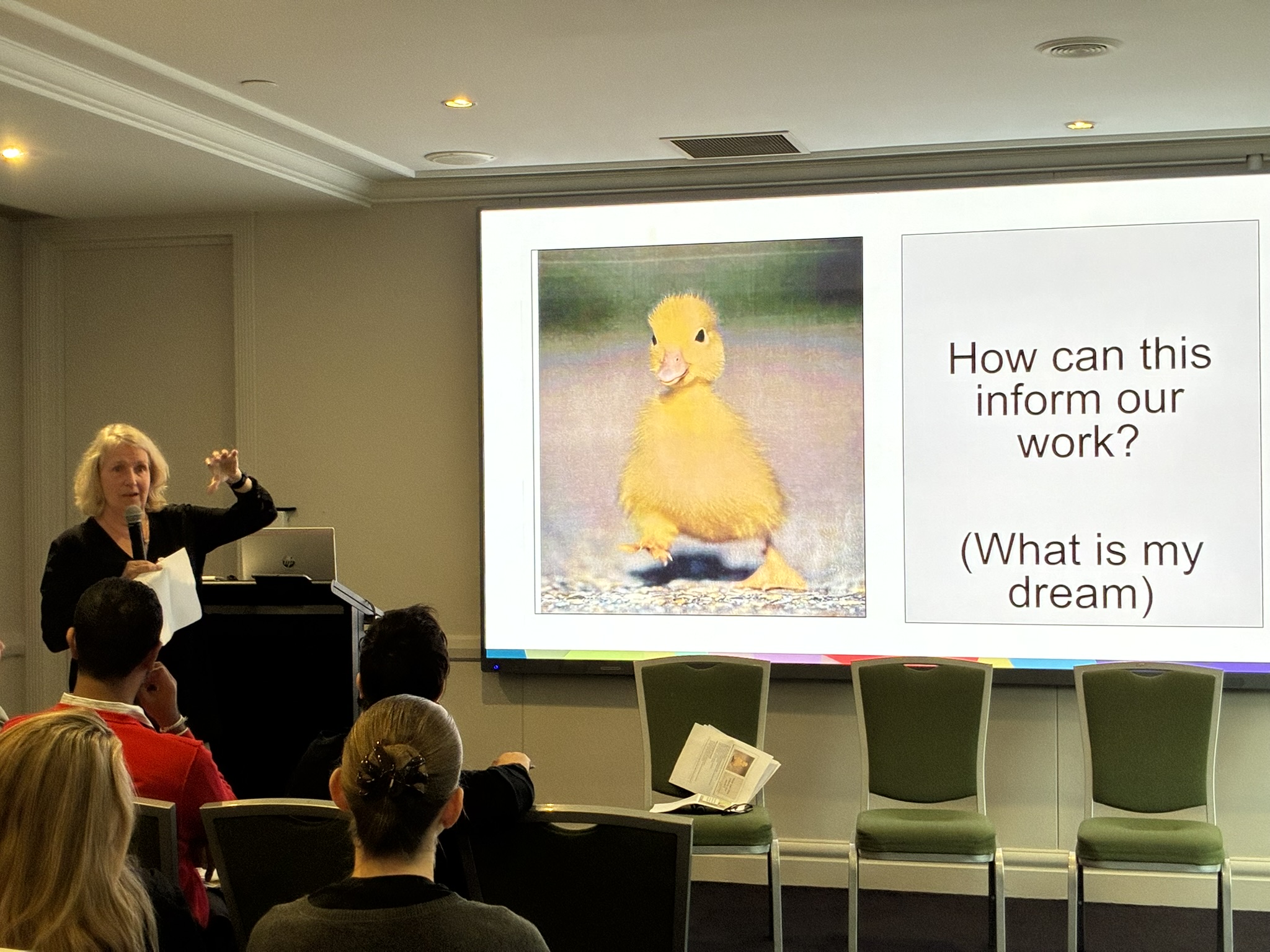
The resource’s purpose is to spark conversations in the mental health sector and especially bring more awareness on the impacts of mental health distress on the families of the people who experience them.
“The aim is to offer families and supporters a space to reflect on their own experiences and recovery journeys,” Prof. Wyder said.
“My hope is that this resource becomes widely available to carers and is used as a catalyst for conversations across the mental health sector. To explore the question of how to support a person’s agency while also recognising and valuing the people who matter to them?”
“We want to ask the sector: How can we move beyond individualised models of care and embed relational approaches into services, deliver support, and understand recovery? What practical steps can we take to become more relational in our approaches?”
The resource will infom Wellways’ Working with Families framework and training that will be rolled out across the organisation.
Read the full resource here: Relational Recovery Resource