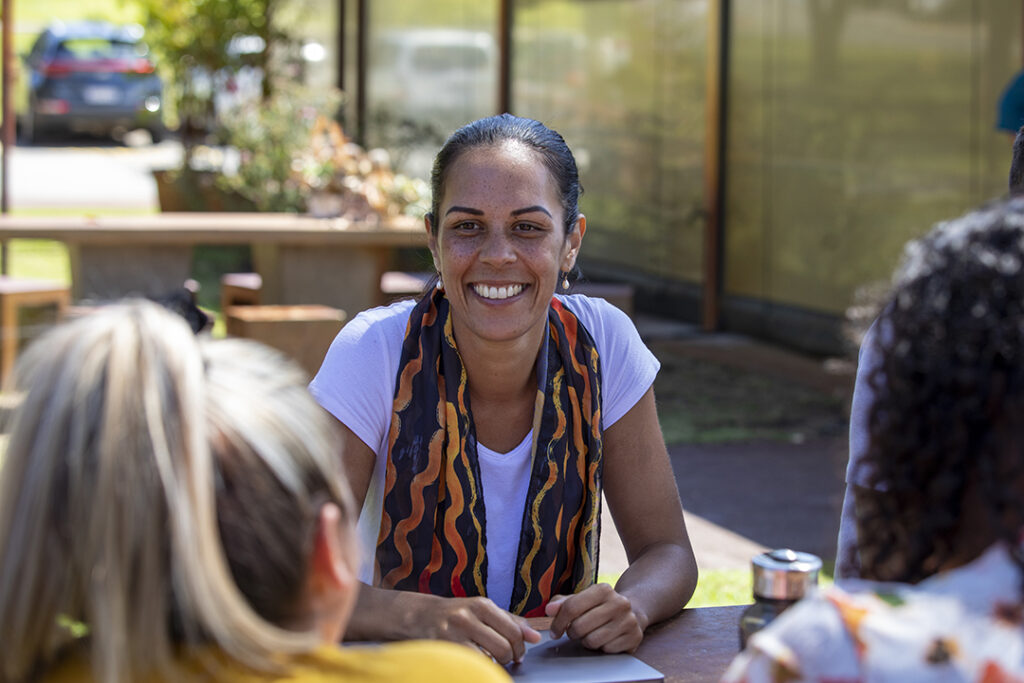
As rewarding as caring can be, it comes with its set of challenges.
Many carers put careers, study and passions on hold while supporting their loved ones, often believing the days of working towards their dreams are long behind them.
But it’s never too late to reconnect with your ambitions or discover new ones.
Three carers embarked on a brave journey of returning to the workforce, going back to study and pursuing passions they initially thought were out of reach through Wellways’ Carer Gateway Vocational Pathways Program.
Now, three of these carers are sharing their stories in the hope of inspiring others to take that first step.
Amy’s journey
When Amy connected with the Vocational Pathway Program, she was carrying an enormous load. Not only was she a carer to her three children aged 4, 17 and 19, all living with disabilities, but she was also struggling with her own mental health and wellbeing.
As she reflects on the start of the program, she can’t believe how far she’s come.
“I now feel more motivated to do things, I feel very positive.”
“I’ve got a job and I’m still studying; the added income has allowed us to enjoy more family activities and reduced stress about paying bills.”
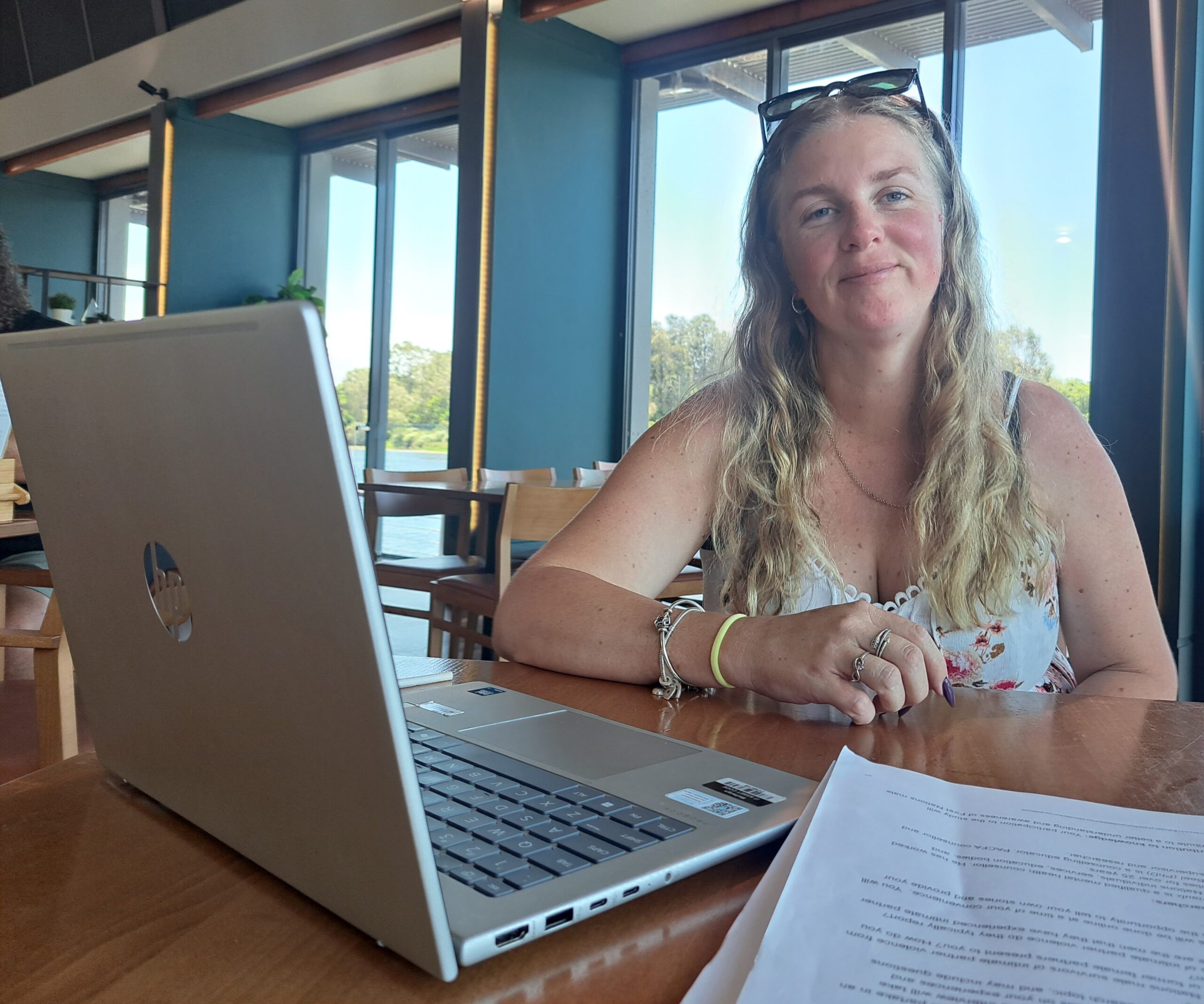
Amy is now a self-employed disability support worker.
But it wasn’t always like this. When she first joined the program she was feeling completely overwhelmed. Although Amy was already completing a Certificate III in Disability Individual Support she was struggling to stay motivated while navigating family pressures and housing stress.
Amy was paired with Vocational Navigator Marcus who provided her with consistent practical support.
With Marcus’ support, the first step was setting up a tutor for Amy, allowing her to study at a pace that worked for her, helping her gain back her confidence.
Next Marcus set his eyes on opportunities outside of study, and informed Amy on the Queensland Government Women’s Career Grants program, a funding initiative encouraging women re-entering the workforce.
Amy was successful in her application and received $4,999 in funding, assistance that helped her access equipment, childcare and eased financial pressures. She was also able to set aside funds for ongoing professional development.
In just three months Amy became a self-employed disability support worker, reignited her passion for her Cert III studies and started building a clearer career pathway for her and her family.
Amy hopes more carers take the leap and join the program.
“They should definitely reach out. It’s okay to ask for help,” she said.
“The program pushed me to my limits encouraged me to do my best, put support behind me and got me to where I am with work.”
Andi’s journey
For 15 years Andi devoted herself to caring for her son who lives with autism. Her commitment to her son was unwavering which meant she had to put many aspects of her life on pause – particularly her career and study aspirations.
As years went by, the idea of returning to the workforce became too overwhelming and her confidence declined.
After two decades away from employment Andi described herself as “virtually unemployable” feeling out of the loop from new recruitment practices, interviews and uncertain of her value in today’s job market.
Despite feeling the cards were stacked against her, Andi reached out to the Vocational Pathways Program aiming to rebuild her resume and along the way her confidence.
“Many years ago when I started being a single mum I had a word I wanted to achieve – freedom,” Andi said.
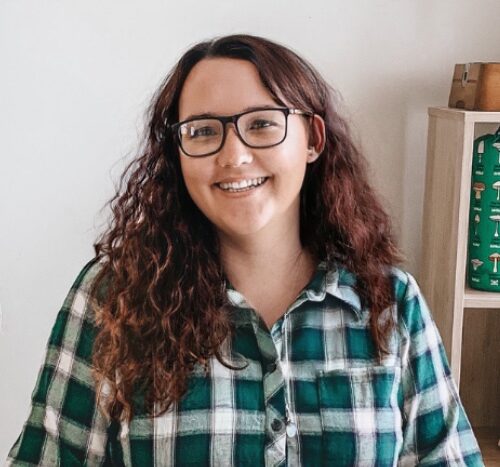
Andi has rebuilt her confidence.
“I wanted to achieve financial freedom, independence and being the person who could support my whole family.”
Andi was paired with Vocational Navigator Varsha who worked closely with her to update her resume, prepare for interviews and get up to date with recruitment processes, all tools that slowly helped her rebuild her confidence.
She also received key support from Anne, a Placement Officer. Through a wraparound approach including referrals to counselling, placement guidance and funding assistance for work clothes, Andi felt supported as she transitioned into the workforce.
A few weeks after Andi began job hunting, she secured employment in a role that fit with her caring responsibilities.
“I feel that sense of freedom now,” Andi said.
“This was an incredibly valuable program, delivered at no cost yet life-changing in its impact.”
Ellen’s journey
Ellen has been caring for her two sons, aged 7 and 8, who are neurodivergent, managing their schedules and therapy appointments largely on her own while also working to find the right career pathway for herself.
Without additional support from family, Ellen managed to balance work, study and caring through careful planning and determination, obtaining a Bachelor of Nutrition in 2024; however, she struggled to find employment that adapted to her schedule and caring responsibilities.
Ellen accessed the Vocational Pathways program looking to build a meaningful long term career. With the support of her navigator Marcus she explored suitable study options and placements that would align with her caring responsibilities.
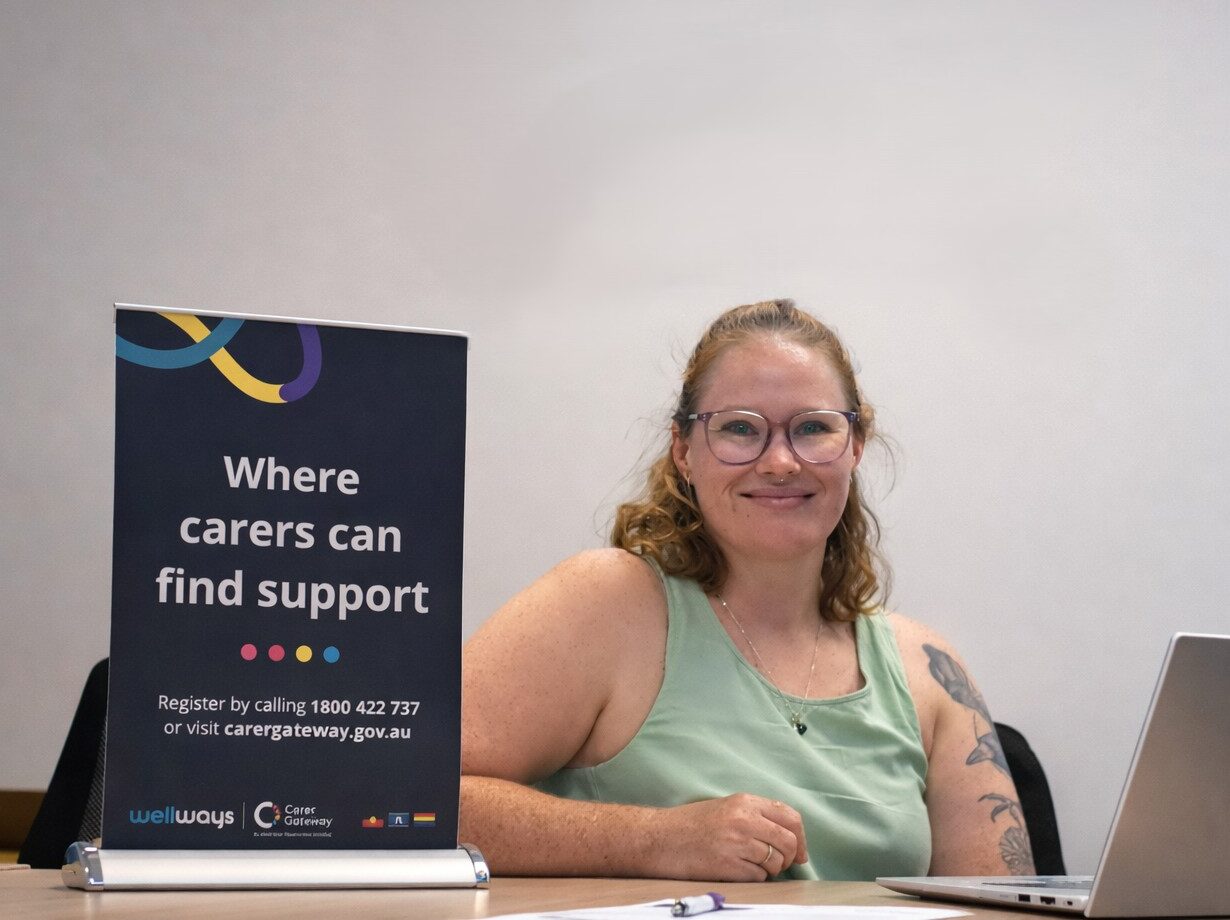
Ellen is studying a Certificate III in School Based Education Support.
She’s now studying a Certificate III in School Based Education Support which includes one day each week of vocational placement at a local state school.
“It’s rewarding to be able to help the children in the classrooms and make their learning tasks easier to understand and complete.”
The school-based environment has proven to be an ideal fit for Ellen, allowing her to work around her children’s schedules and continue to support their needs while gaining experience in the education sector.
Ellen has also taken her placement at her children’s school which has been a proud moment for her boys.
It’s never too late
While each journey looks different, Amy, Andi and Ellen share one thing in common: they all took a chance on themselves.
Their stories are a reminder that caring isn’t only something we do for the people we love but it’s also work and it comes with its set of skills and qualities that make carers valuable to employers – everything from resilience, adaptability, problem-solving skills, time-management and more.
With the right support, carers can continue to care for the people who matter most while pursuing their own goals.
For Amy, Andi and Ellen, the journey wasn’t about leaving caring behind but discover how their own aspirations can thrive alongside it.